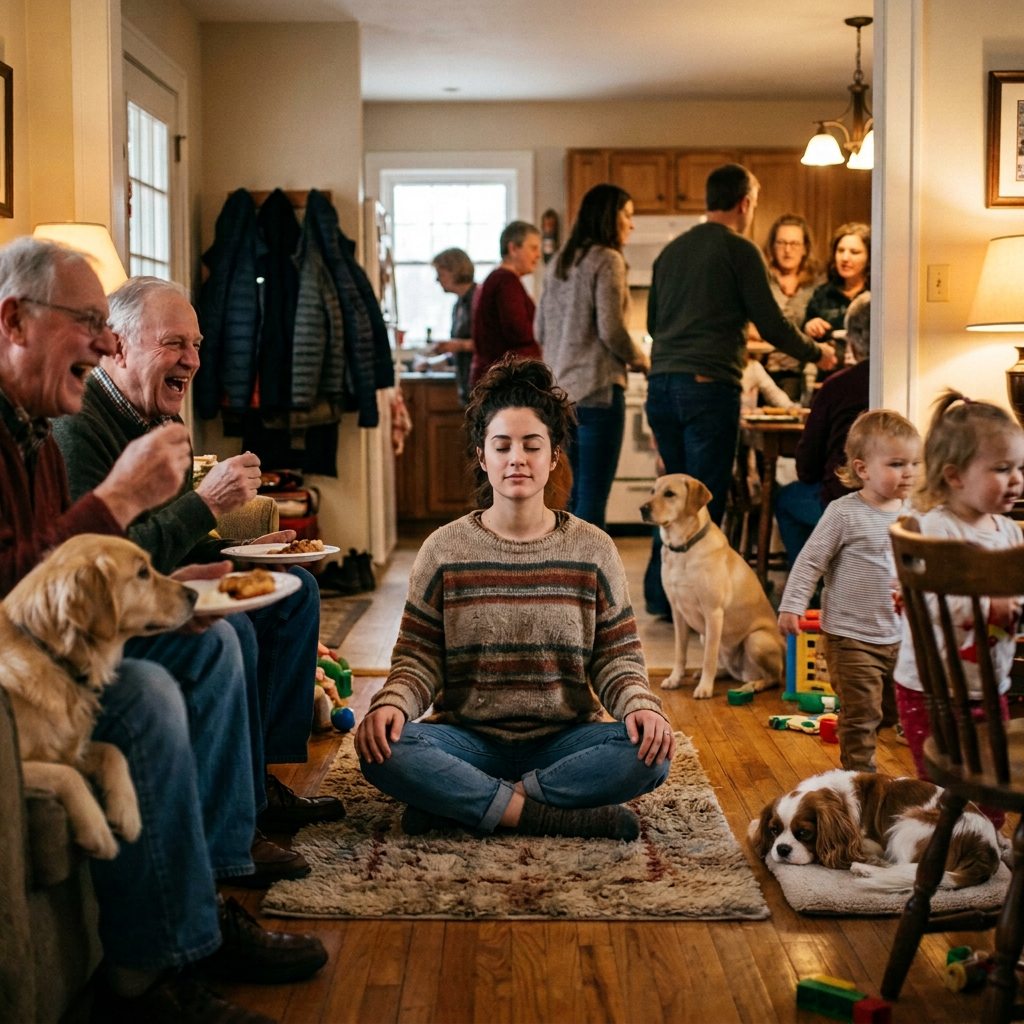
I’m realizing that balancing three dogs, having a full-time job, dealing with school, depression, anxiety, and having started on a new ADHD medication isn’t about arriving at a perfect routine; it’s about creating one that’s flexible enough to cope with real life. My two-year-old German shepherd and husky mix has a “let’s run a marathon” kind of energy; my seven-year-old husky and malamute mix tends to have strong views on all matters; and my eight-year-old staffie and pit bull mix is generally the emotional center of the home. With work deadlines, homework, washing up, appointments, and the trial-and-error phase with the new medication, there are days when it seems as though I’m living by a checklist that keeps adding boxes to tick. I can understand this pressure, since work-life balance isn’t a fixed goal; it varies from day to day depending on one’s responsibilities, energy levels, and the amount of support available. The aspect of ADHD medication has also required its own kind of adjustment. There are times when I notice my ability to concentrate and regulate my emotions improving, but I’m also learning that changes from medication require patience and ongoing monitoring rather than expecting immediate consistency. That’s why at the moment I’m focusing on celebrating the fact that I’m better than I was yesterday rather than insisting on being fully fixed.
The presence of the dogs makes things both more difficult and easier at the same time, and that is probably the most honest thing I can say about it. With three dogs, there are three different personalities, three separate sets of needs, and three bodies waiting for me when I’m tired from work or trying to finish my schoolwork. The more energetic breeds in particular don’t mind that my brain is exhausted; they still require support, attention, and some form of structure. Research into walking dogs confirms what dog owners already know: bigger, more energetic dogs require longer walks; as a result, owners often modify their routines when the frequency of walks changes. It sounds simple enough until depression or anxiety turns “take the dogs out” into a massive challenge. I can feel a great deal of guilt when I think I’m not giving them enough. Yet there is a comforting aspect to the routine. Even on a bad day, the leashes are clipped, the food bowls are filled, and someone’s tail wags as if I am the best part of their morning. They pull me outside when I’d rather disappear under a blanket, and at times that is precisely the small nudge I need.
The fact that this isn’t merely a tale about stress is that there are plenty of positive aspects too, even if they are small and a bit messy. My dogs don’t cure my depression or anxiety, and I don’t want to idealize the difficulties of looking after a pet. Yet they do provide me with companionship, a sense of purpose, a distraction, and a reason to keep going throughout the day. I’m also aiming to make my routines more realistic by taking shorter walks when necessary, taking longer sniffing walks when I have the time, setting up homework blocks with breaks, using alarms for medication and meals, and giving myself permission to ask for help when things become too much. On some days my victory is submitting an assignment; on others it’s getting everyone walked; on some days it’s simply laughing because my husky is arguing with me like a little lawyer while my staffie is snoring as if he pays rent. I’d love to know what small routines or moments others find helpful in regaining a sense of stability when work, school, mental health, family, pets, or life in general all compete for your attention?


Leave a Reply